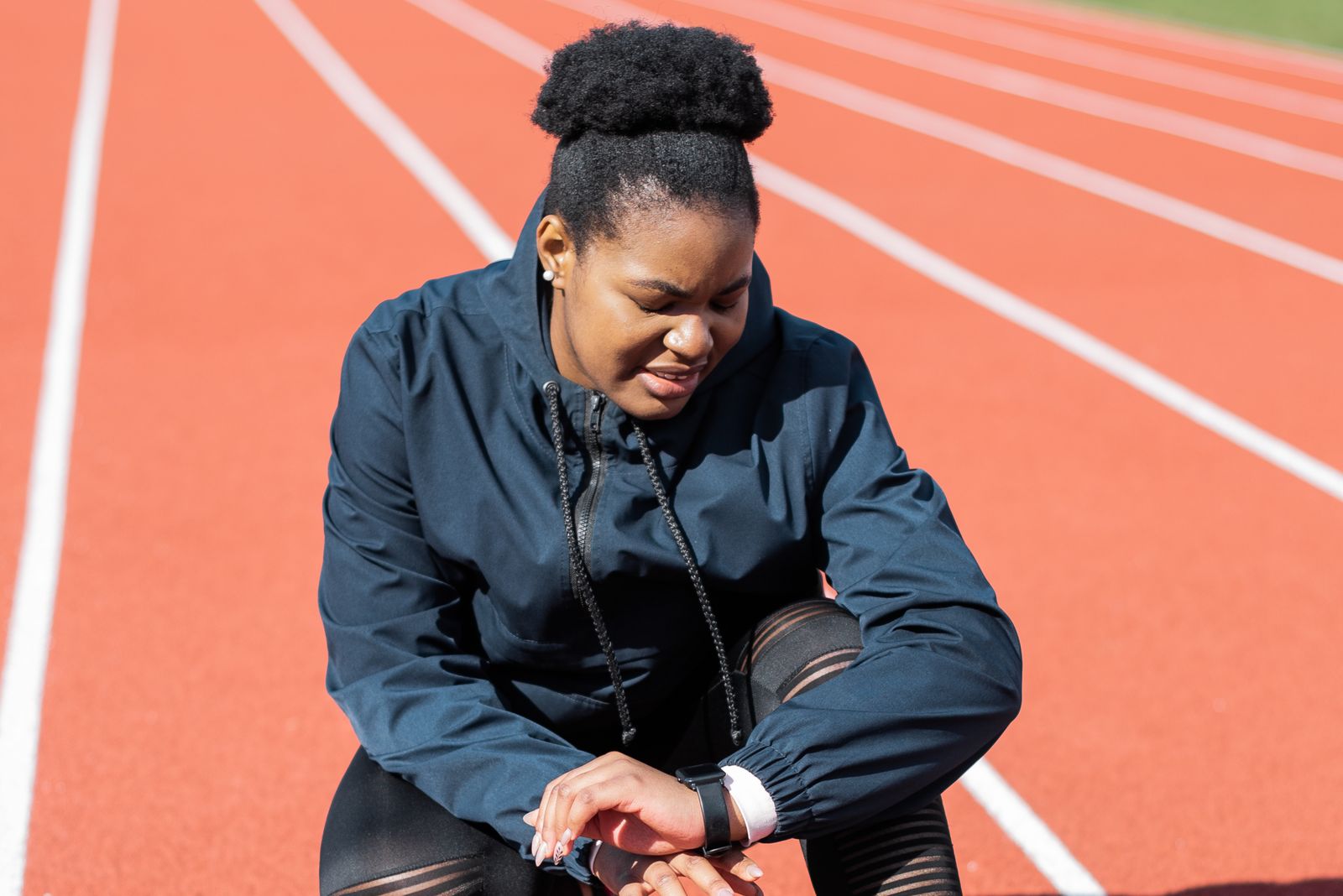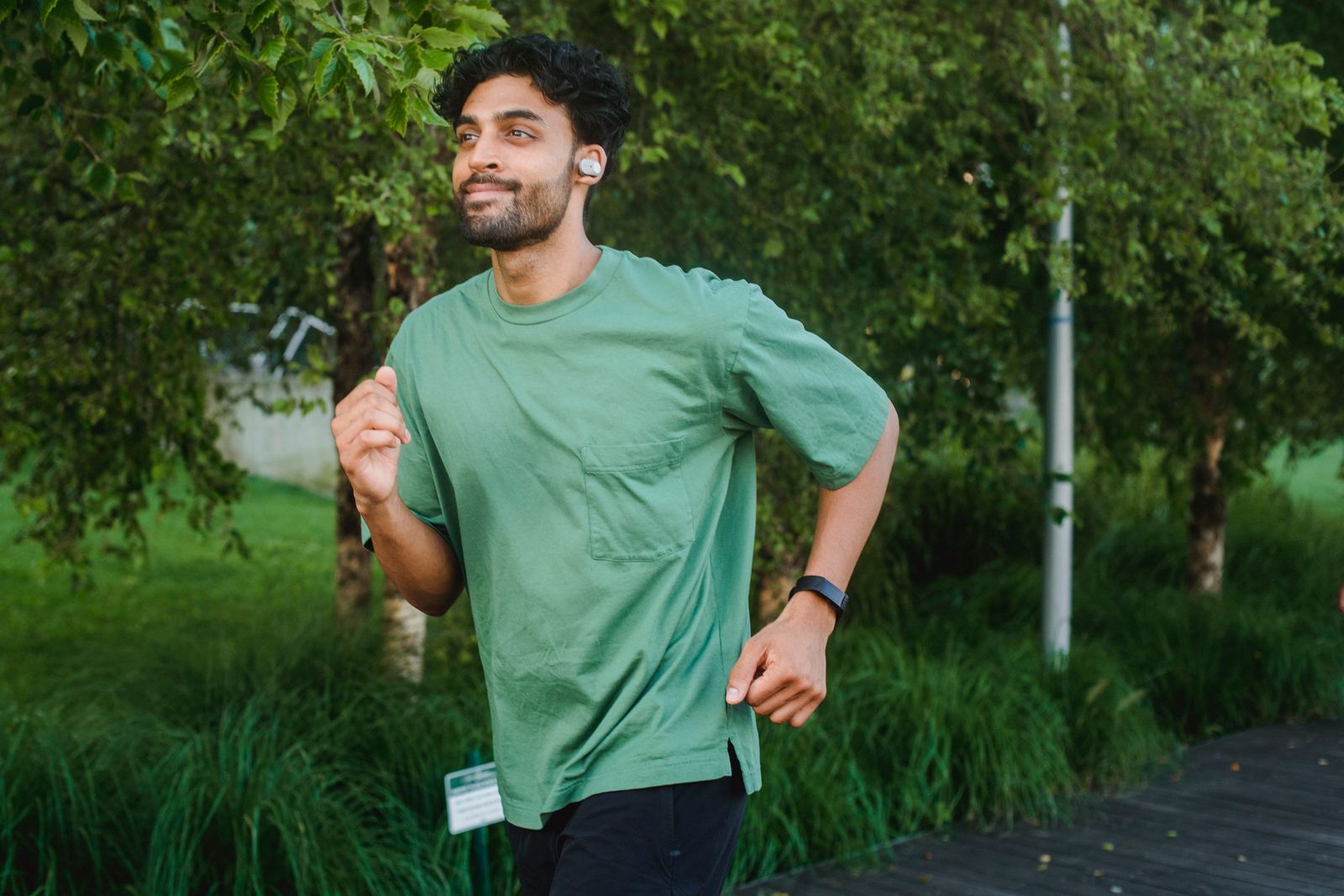
Elite coaching used to be a relationship. Increasingly, it is also a subscription. Adaptive training platforms now build personalized plans from your history, adjust them daily from your recovery data, and explain every change in plain language.
The science is sound: progressive overload, rest ratios and specificity work whoever prescribes them. What software adds is relentless consistency — no skipped easy days, no heroic weeks that end in injury, no guesswork about whether you are ready for more.
Early studies of app-coached runners show steadier improvement and fewer injuries than self-coached peers. The algorithm's superpower is restraint: it says “not today” more wisely than motivation ever could.
What the algorithm cannot do
It cannot watch you favor one leg, hear the doubt in your voice, or know that the race matters because your father ran it. Human coaches interviewed for this story were unbothered: the apps handle programming, they said, freeing coaches for the human parts — courage, craft and care.
The likely future is hybrid: software for the plan, humans for the person. The athletes winning most are those who treat data as counsel, not command — and keep a human in the loop for everything that counts.
“The plan is math. The performance is human. The best results come from respecting both.”
The story in brief
- Adaptive plans adjust daily from sleep, strain and history.
- App-coached athletes show steadier gains, fewer injuries.
- Best model: software for programming, humans for people.

Noah Feld
Sports Writer. Noah covers the intersection of athletics and technology — wearables, training data and the quantified amateur.