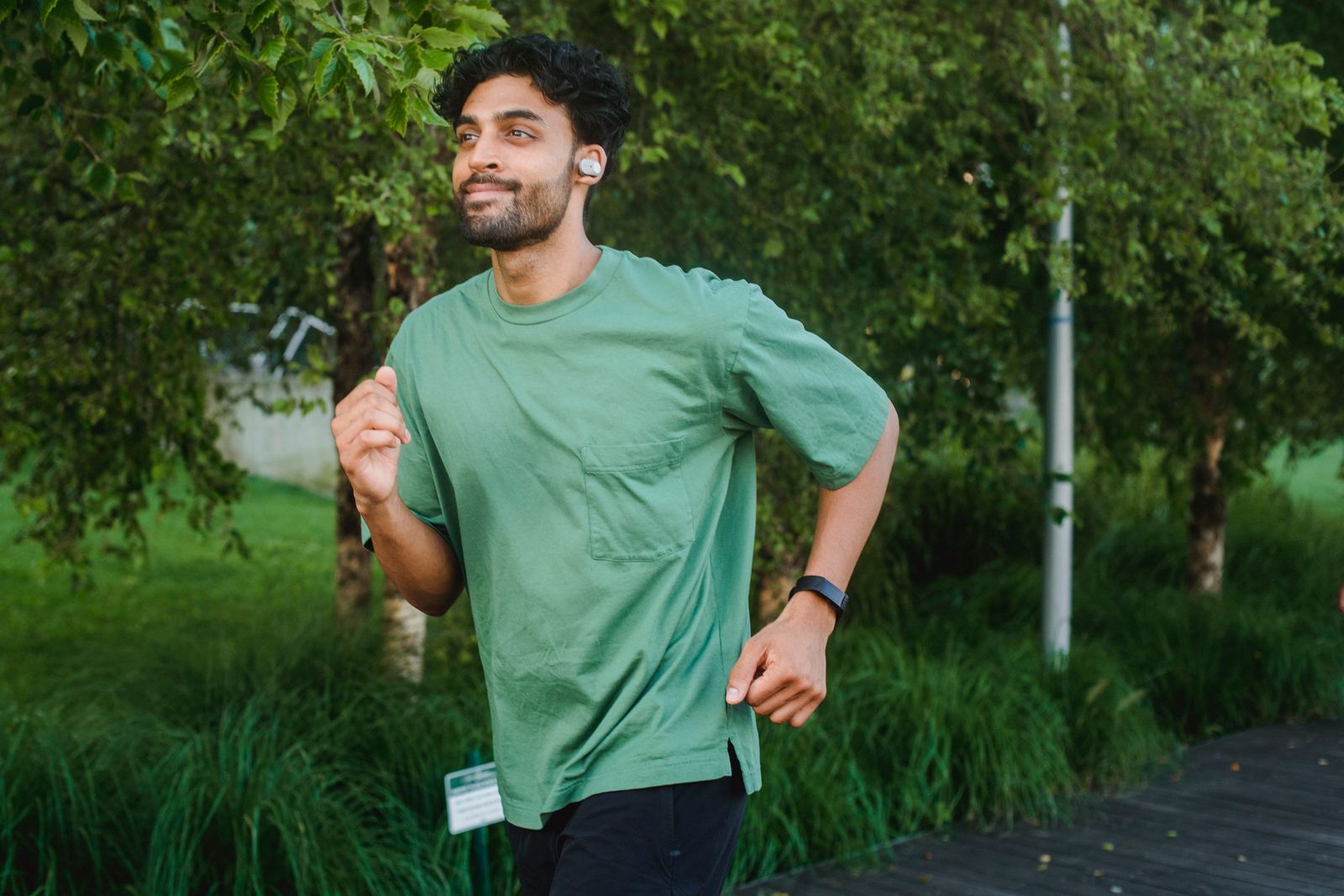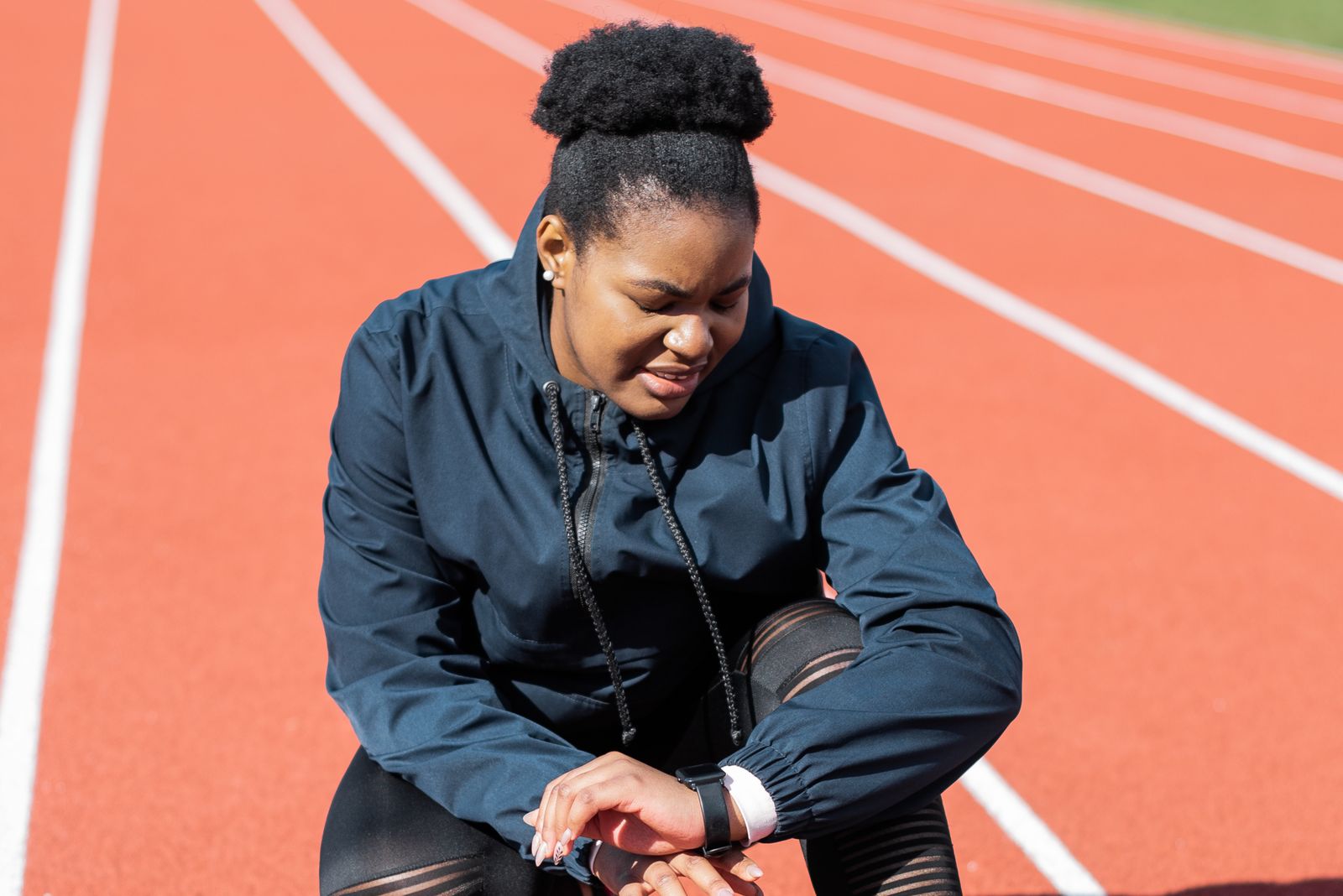
The lab has escaped into the high street. Sensors that once required a sports-science department — lactate estimates, running power, sleep architecture, recovery scores — now arrive in consumer gear at a fraction of the old price.
The leap is not just cheaper hardware but smarter interpretation. Raw numbers never coached anyone; today's devices translate biometrics into plain guidance: push today, rest tomorrow, eat more protein this week. The interface is the innovation.
Weekend athletes are the winners. A club runner can now periodize a season, a masters swimmer can pace by live power, a new parent can train around broken sleep with the device adjusting targets automatically. Elite methods, amateur schedules.
The data bargain
Every insight costs information. Training platforms hold intimate physiological histories, and the fine print decides who else may learn from them — insurers, advertisers, employers. The savviest buyers now check data policies as carefully as battery specs.
Coaches, meanwhile, report an unexpected effect: athletes arrive to sessions already fluent in their own numbers, and conversations start at a higher level. The gear does not replace judgment. It raises the floor it stands on.
“The best wearable is not the one with the most sensors. It is the one whose advice you actually follow.”
The story in brief
- Elite biometrics — power, recovery, sleep staging — go mainstream.
- Interpretation, not sensors, is the real product leap.
- Check data policies as carefully as battery life.

Noah Feld
Sports Writer. Noah covers the intersection of athletics and technology — wearables, training data and the quantified amateur.