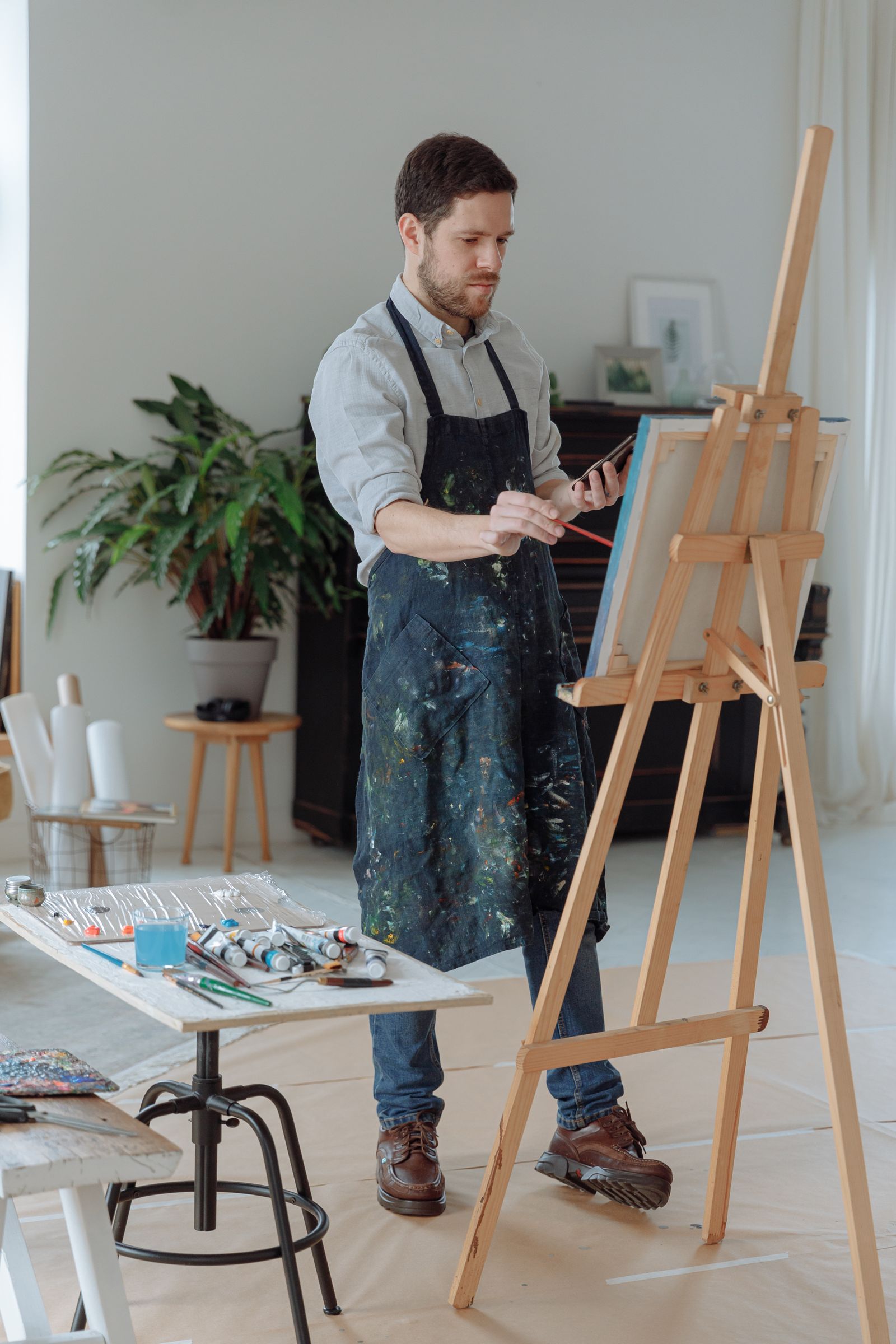
The door says “Atelier 9,” but nine is an understatement. On any given evening the old print works holds painters, a letterpress printer, two ceramicists, a textile artist and a luthier — all splitting rent none of them could afford alone.
Shared studios are the city's quiet answer to impossible rents. The model is simple: pool the lease, share the expensive equipment, trade skills instead of invoices. The ceramicist fires the painter's tiles; the printer runs the show posters; the luthier fixes everyone's everything.
What emerges is more than savings. Residents describe a permanent crit — somebody always glances over, asks the awkward question, suggests the better green. Isolation, the historic tax on making art, gets divided along with the bills.
Open doors, open books
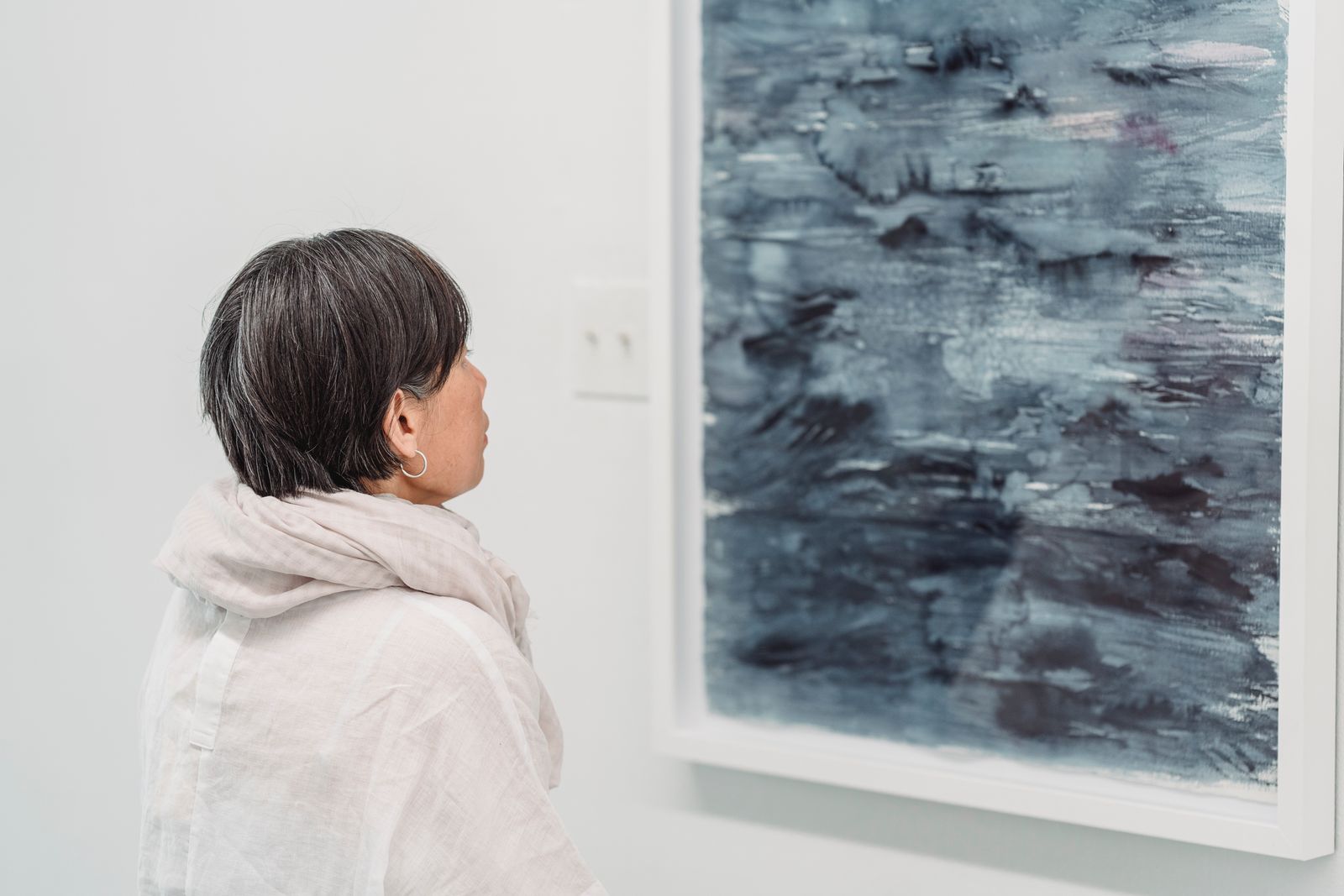
Most ateliers now run open-studio weekends, and they have become fixtures of the cultural calendar — part exhibition, part workshop, part neighborhood party. Visitors watch work happen, buy directly from makers, and leave understanding what things cost to make.
The fragility is real: a single lease renewal can scatter a community built over years. Campaigners are pushing for cultural protections on studio buildings, arguing that a city that cannot house its makers will eventually have nothing to show.
“Nobody here could afford to work alone. It turns out nobody wants to, either.”
The story in brief
- Shared ateliers split rent, tools and skills across disciplines.
- Open-studio weekends turn workplaces into cultural venues.
- Lease security is the movement's biggest threat.

Darius Cole
Culture Writer. Darius covers the city's galleries, studios and late-night venues.